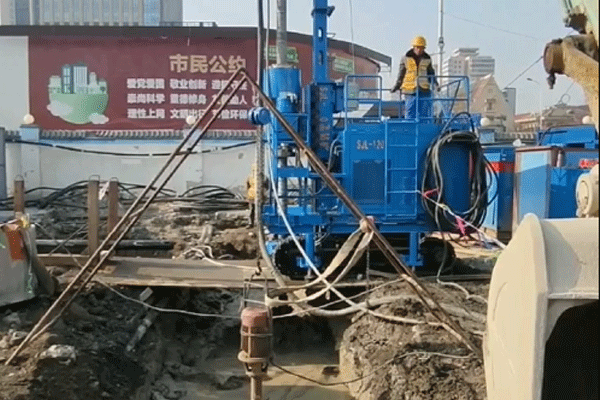
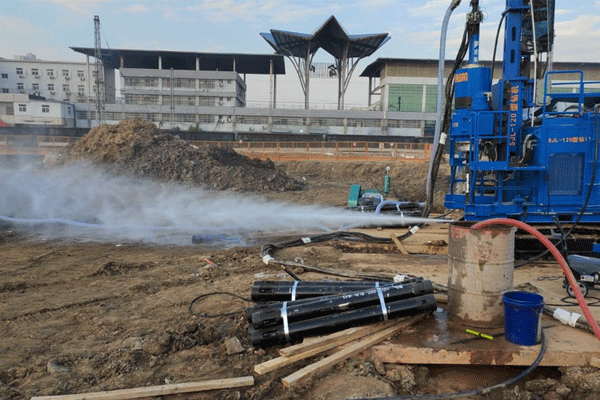
Anman Drilling Rig HDL-300 Conducts Top-Drive Drilling Operations in Complex Geology of Altay, Xinjiang
Engineering Challenges
The Xinjiang region is characterized by a prevalence of conglomerate formations, with high strengths, air leakage, and poor drilling conditions.
How does Anman Drilling Rig HDL-300 overcome this challenge?
Geological Conditions:
Location (Province): Xinjiang Uyghur Autonomous Region
Location (City): Altay
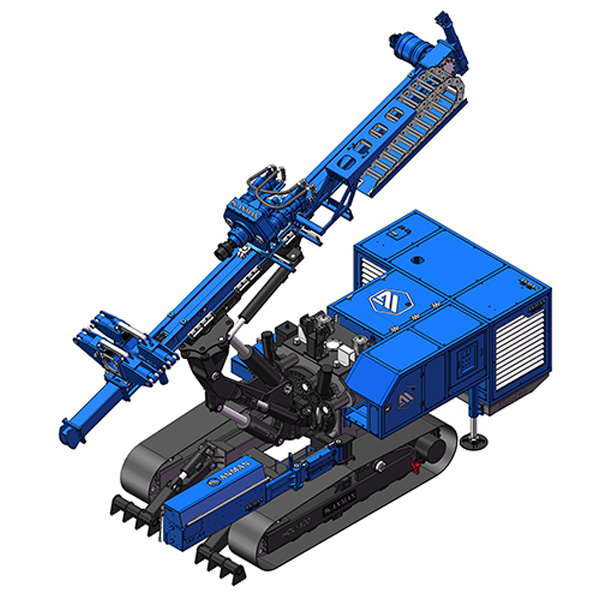
Drilling Rig Model: HDL-300 Top-Drive Drilling Machine
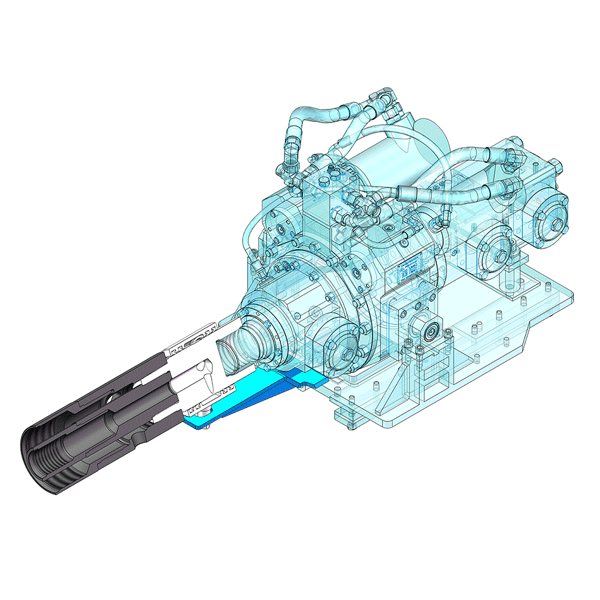
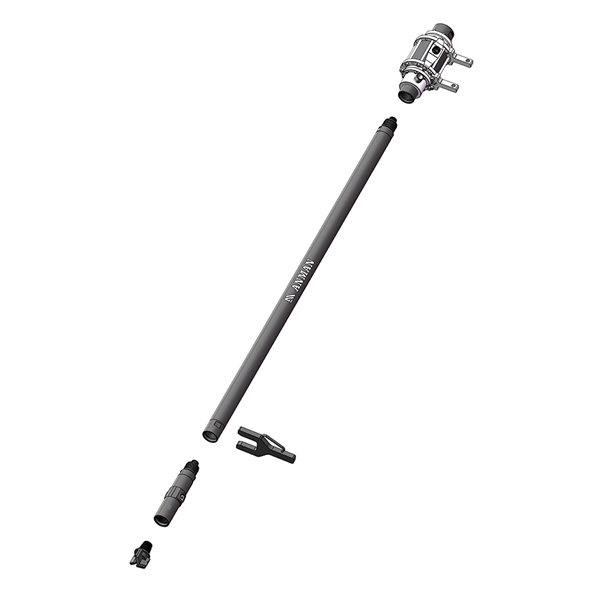
Tool Configuration: 1146 sets of pipe + 89 drill rods
Drilling Method: Double-Rotary Drilling
Geological Conditions:
0-20m: Cobblestone backfilling with limited grout injection and minimal waste;
20-24m: Void formation with air leakage and no grouting;
27-30m: Large cobblestones, high water pressure, and frequent drill pipe sticking, resulting in slow drilling progress;
30-50m: Sandstone formations with varying colors from light to dark;
50.5m: Rock exposure;
50.5-54m: Black schist formation due to geological factors, with variable hole depth (24m-66m), average depth of 40m, and typical circulating pressure of 18-22MPA
Construction Angle (°): 90
Drill Pipe Diameter (mm): 150
Well Depth (m): 54
Construction Efficiency (min): 180
Pure Drilling Time (min): 105
Pure Drill Tool Disassembly Time (min): 40
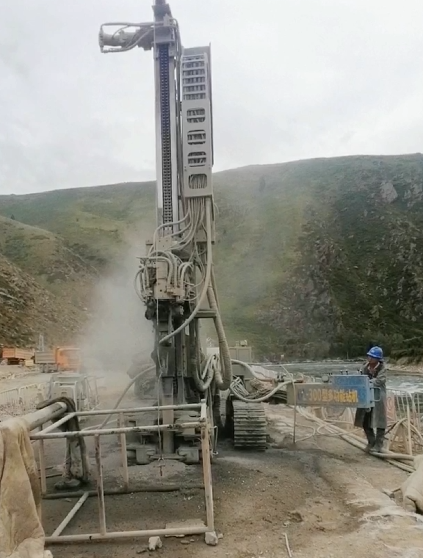
Drilling Operations
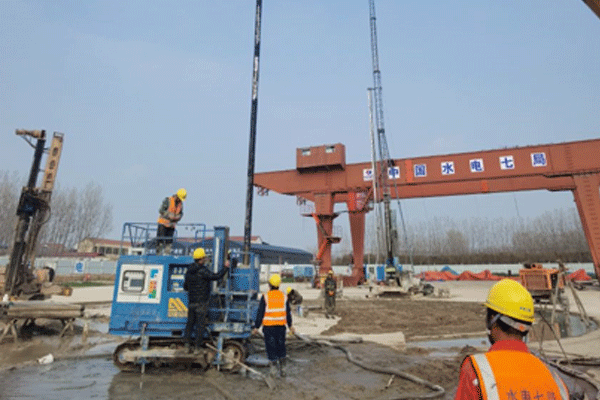
1. Install the drill pipe and casing, then perform the first vertical alignment to the drilling point, and then perform a second correction for verticality;
2. Place the mast on the ground, with the last two legs standing out;
3. Start drilling, first break through the initial resistance with the impactor, then rotate back and forth while advancing the drill pipe and breaking through the formation; repeat this process until steady progress is achieved;
4. Install the casing and drill pipe, ensuring that the drill pipe is free of debris before installation; tighten the drill pipe securely, and allow the casing to be naturally tightened;
5. Monitor drilling parameters during penetration, including impactor performance, mud circulation, air compressor pressure changes, rotational force changes, and drill pipe pressure and speed changes; these parameters directly affect efficiency and tool wear;
6. Complete drilling and clean out the hole, then disassemble the drill pipe;
7. Lower the PVC casing, remove the casing and first string slowly while using vibration to avoid pulling out the PVC casing;
8. Retract the mast legs and move the machine to the next drilling location.